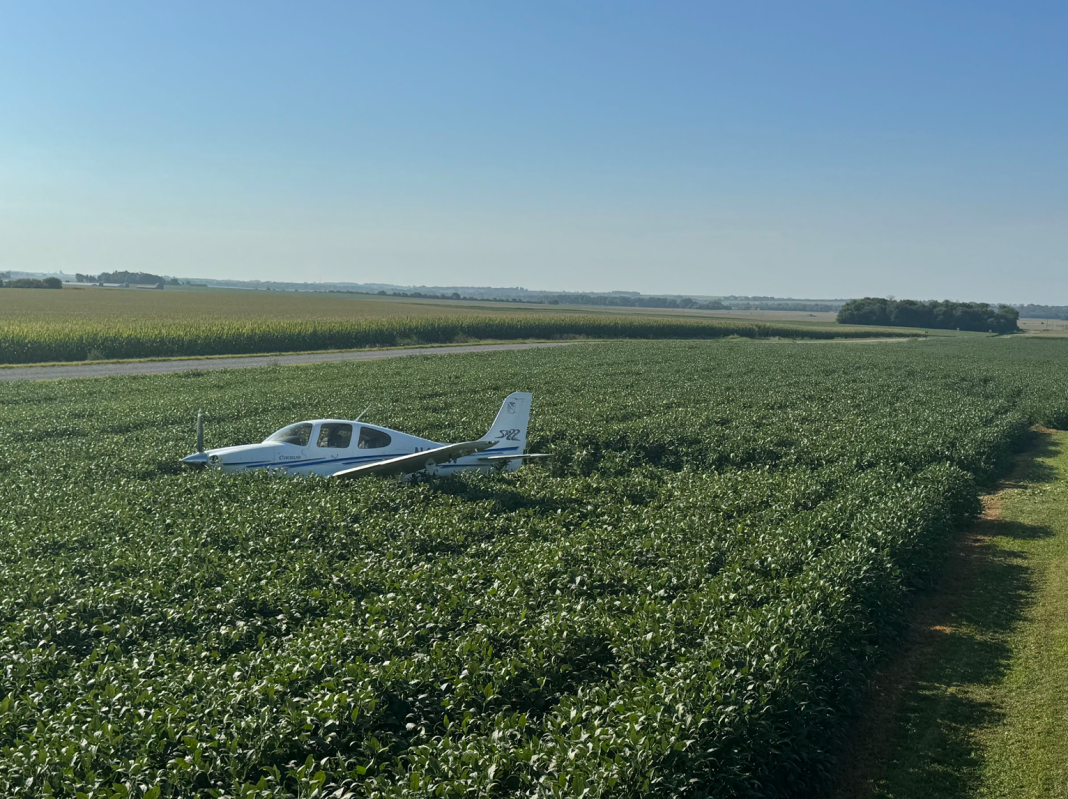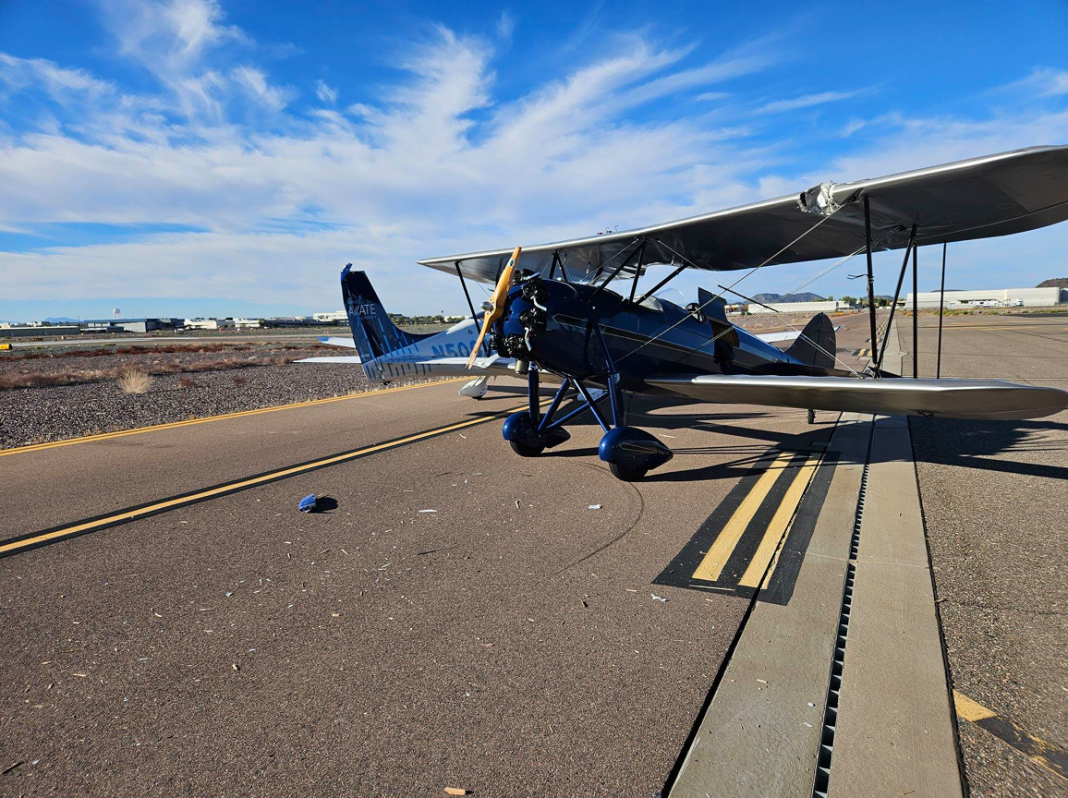
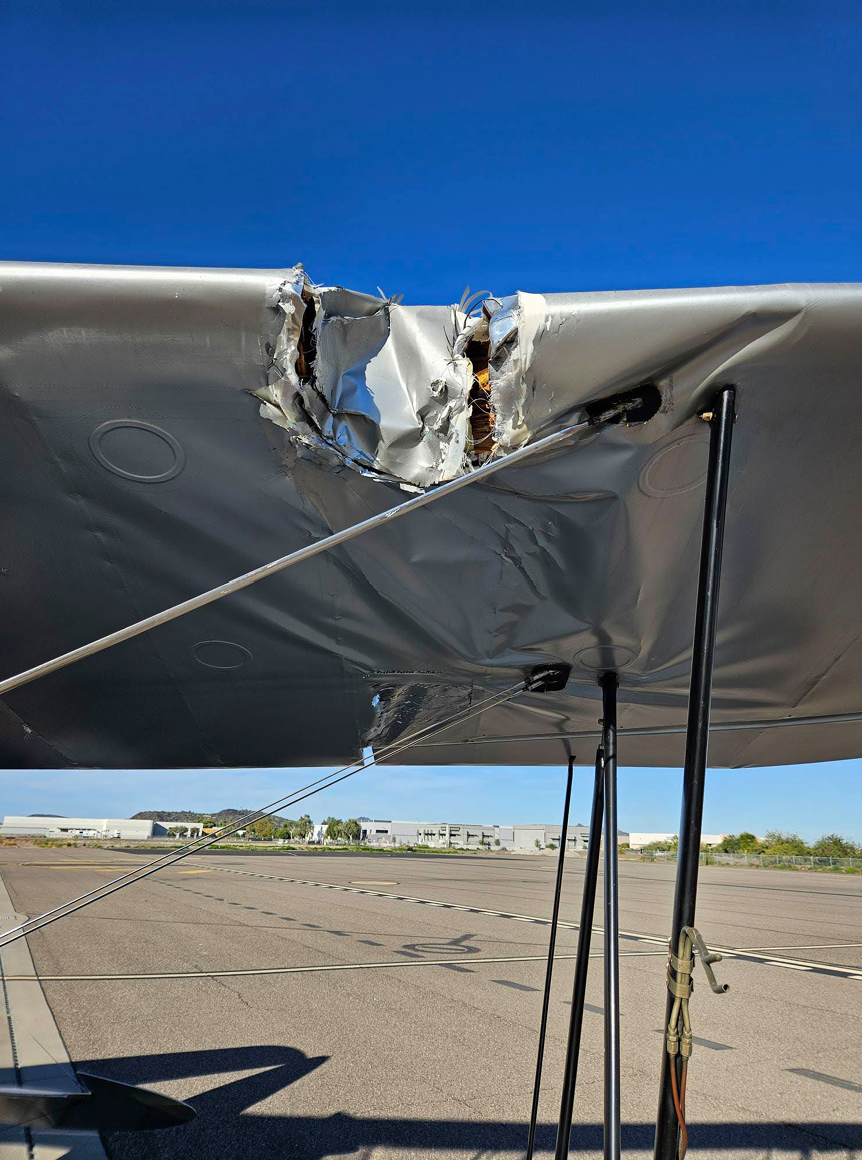
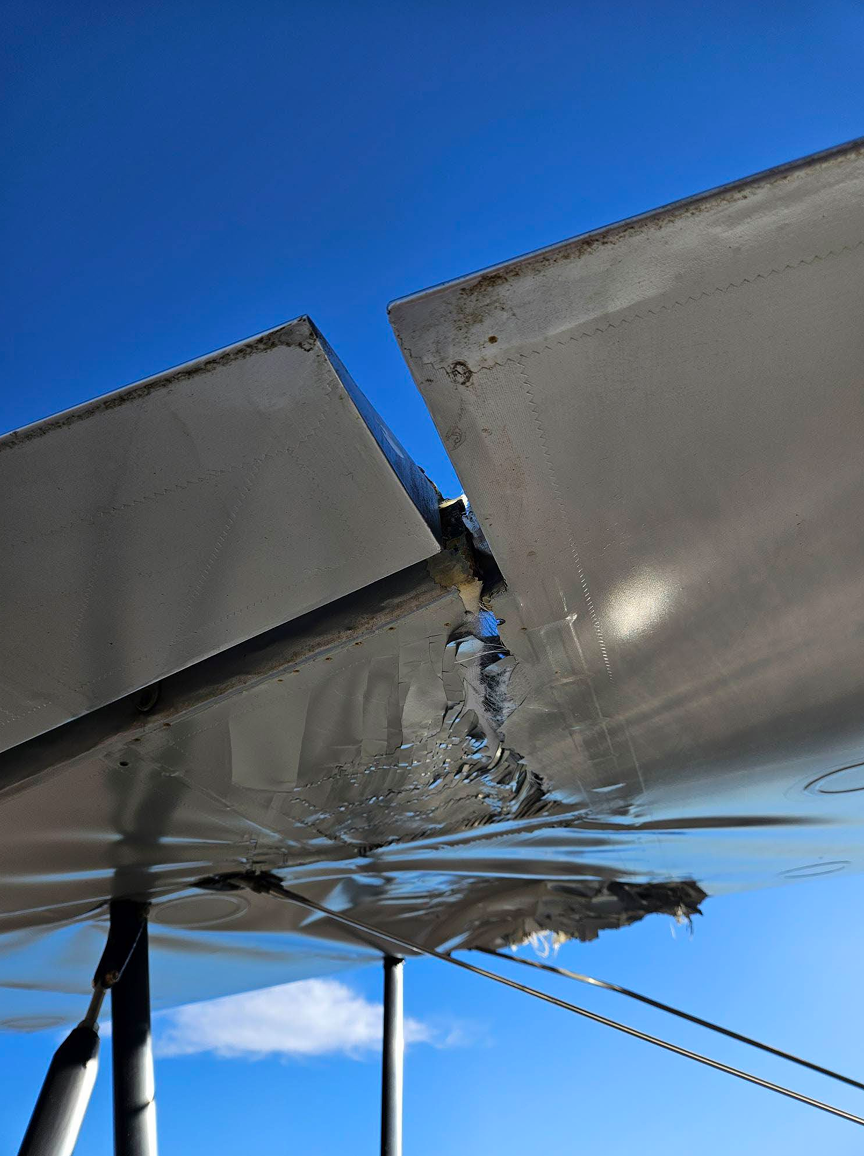
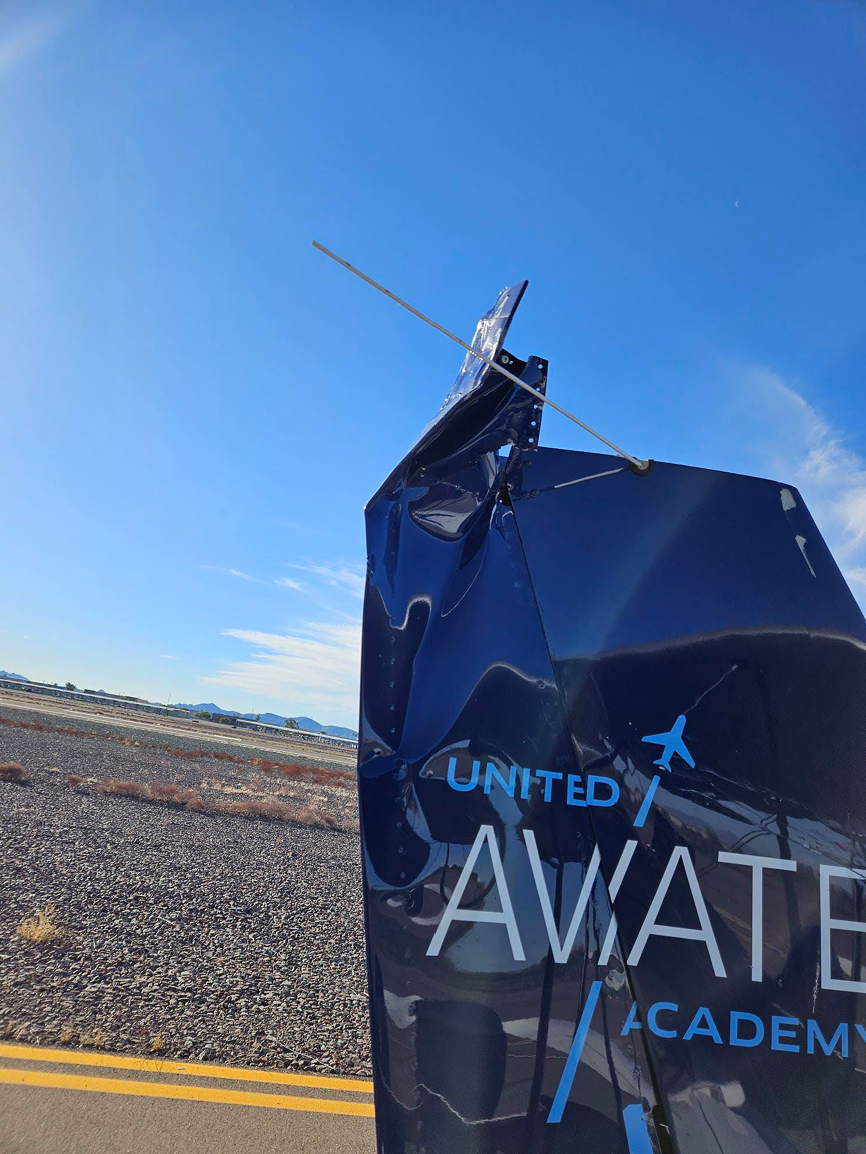
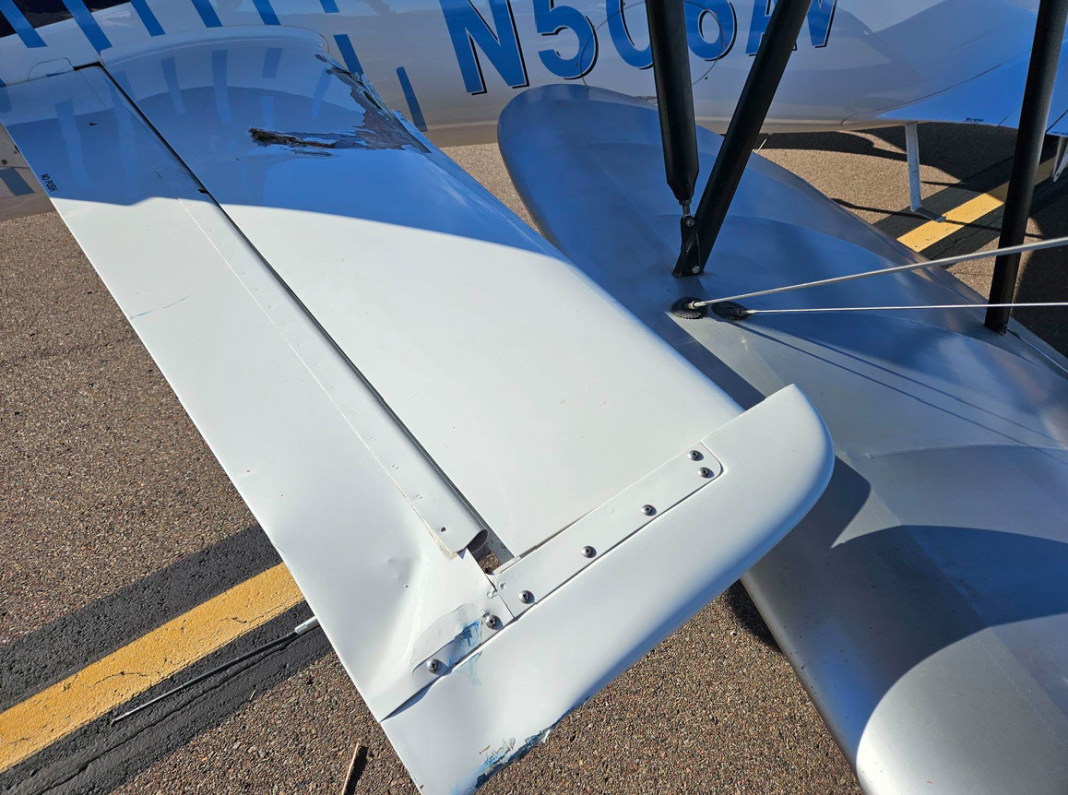
A Waco RNF biplane and a Cirrus SR20 were involved in a ground collision while taxiing at Phoenix Deer Valley Airport (DVT) in Phoenix, Arizona, on December 14, 2025, at about 09:04 local time. Both aircraft sustained substantial damage. The Waco RNF was damaged on its upper left wing, and the Cirrus SR20 sustained substantial damage to its empennage. The pilots reported no injuries in either aircraft, with one occupant in the Waco and two occupants in the Cirrus.
According to the published account, the Waco RNF was taxiing behind the Cirrus SR20 in day visual meteorological conditions within Class D airspace at DVT. Weather recorded near the time of the event included clear skies, visibility of 10 miles, and wind from 050 degrees at 6 knots. No flight plans were filed, and both operations were conducted under VFR.
The Waco RNF pilot reported that forward visibility was limited while taxiing behind the low-wing aircraft and that S-turns were being used to improve the forward view. During these S-turns, the Waco pilot momentarily lost sight of the Cirrus. When visual contact was regained, the Waco pilot observed that the Cirrus had stopped.
The Waco pilot reported applying full right rudder and braking in an attempt to avoid contact. Despite the maneuvering and braking input, the Waco’s upper left wing struck the Cirrus’s rudder. During the collision sequence, the Waco’s propeller struck the Cirrus’s horizontal stabilizer and elevator. Damage to the Waco was described as substantial to the upper left wing, and damage to the Cirrus was described as substantial to the empennage. No aircraft fire or explosion was reported.
Both pilots stated there were no preaccident mechanical malfunctions or failures that would have precluded normal operation. The event was categorized as a loss of visual reference during taxi for the Waco RNF, followed by a ground collision involving both aircraft.
Findings and probable cause were stated as follows: “The National Transportation Safety Board determines the probable cause(s) of this accident to be: The biplane pilot’s failure to maintain adequate clearance from the low-wing airplane while taxiing.” Listed findings included “Monitoring other aircraft – Pilot” and “Visibility – Contributed to outcome” for the Waco RNF, and “Monitoring other aircraft – Pilot of other aircraft” for the Cirrus SR20.
AviationBeacon Insight
Tailwheel aircraft operations on the ground can require techniques such as S-turns to manage forward visibility limits. When S-turning, maintaining spacing from traffic ahead becomes a primary control task, especially if the aircraft ahead may stop without an obvious cue. In a training environment, cockpit workload can include external scanning, radio monitoring, and checklist discipline while taxiing. Clear expectations for taxi spacing, defined “stop points” when visual contact is lost, and deliberate speed control can help reduce the risk of overtaking during intermittent sight lines.
Pilot Perspective: When taxiing with limited forward visibility, what is your standard action when you lose sight of the aircraft ahead during S-turns?
We welcome operational perspectives from readers.